Iranian Therapist Near me | Persian Counseling
Finding the right mental health support is essential, and sometimes you need someone who truly understands your cultural background. An Iranian therapist can provide counseling in Farsi, offering insights into Persian traditions, family values, and social dynamics. Whether you’re dealing with stress, anxiety, relationship challenges, or personal growth, connecting with a qualified Iranian therapist near you ensures culturally sensitive care and a comfortable environment for open communication.
Why Choose an Iranian Therapist?
Choosing the right mental health professional can significantly impact the effectiveness of therapy. An Iranian therapist is trained to provide culturally competent care, understanding both the linguistic nuances and social norms specific to Iranian culture. This cultural alignment allows clients to communicate more openly, express their emotions accurately, and receive guidance that respects their values and traditions. Studies in cross-cultural psychology indicate that therapy delivered in a client’s native language enhances trust, engagement, and treatment outcomes, making Persian counseling particularly effective for Farsi-speaking individuals.
Understanding Cultural and Linguistic Needs
Cultural competence is a core component of effective psychotherapy. Iranian therapists are familiar with the social structures, family dynamics, and cultural expectations prevalent in Iranian communities. They can address sensitive issues—such as intergenerational conflicts, marriage expectations, or societal pressures—within the proper cultural context. Additionally, providing therapy in Farsi eliminates language barriers, reduces miscommunication, and ensures that clients fully understand and implement therapeutic strategies.
Benefits of Persian Counseling for Mental Health
Research shows that culturally adapted counseling increases therapy engagement and reduces dropout rates. Persian counseling not only supports emotional well-being but also strengthens clients’ sense of identity and belonging. Individuals receiving culturally informed therapy often experience greater improvements in stress management, anxiety reduction, relationship satisfaction, and overall psychological resilience.
Services Offered by Iranian Therapists
Individual Therapy
Individual therapy sessions with an Iranian therapist focus on personal growth, emotional regulation, and problem-solving. Therapists use evidence-based techniques such as cognitive-behavioral therapy (CBT), mindfulness, and psychodynamic approaches, all adapted to the client’s cultural context.
Couples and Family Counseling
Iranian therapists provide specialized counseling for couples and families, addressing issues such as communication difficulties, marital conflicts, parenting challenges, and intergenerational disagreements. Therapy incorporates an understanding of Persian cultural norms around family roles and expectations, which is essential for effective relationship interventions.
Online and In-Person Sessions
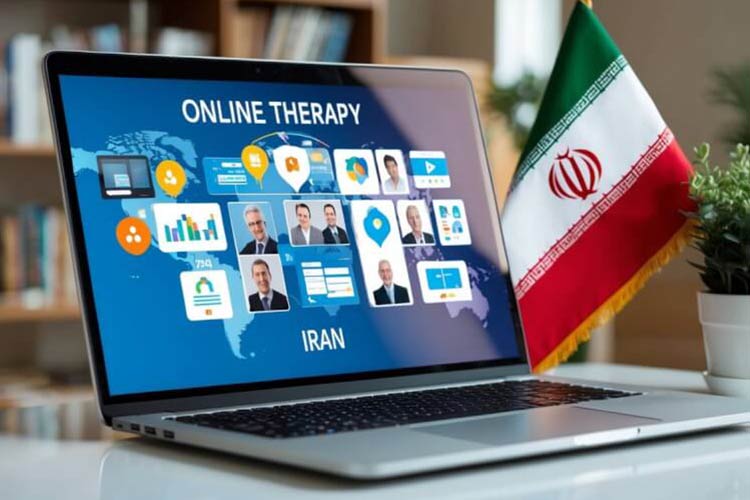
Many Iranian therapists offer both online and in-person counseling, allowing clients to choose the format that best fits their needs. Online therapy increases accessibility for those living outside major cities or abroad, while in-person sessions provide a more traditional therapeutic environment. Both formats maintain confidentiality, professional standards, and cultural sensitivity.
Treatment for Common Psychological Disorders
Iranian therapists are trained to treat a wide range of mental health conditions, including anxiety, depression, stress-related disorders, trauma, and relationship difficulties. Using culturally adapted therapeutic techniques ensures that treatment is both effective and respectful of the client’s background, ultimately improving mental health outcomes.
How to Find an Iranian Therapist Near Me
Finding a qualified Iranian therapist near you is essential for effective Persian counseling and mental health support. Locating a culturally competent therapist ensures that therapy is conducted in a familiar language and within a culturally sensitive framework, improving engagement and outcomes. Below are the most effective strategies for finding a trusted Iranian therapist:
Searching via Google and Google Maps
A simple search using terms like “Iranian therapist near me” or “Persian counseling in [city]” can quickly provide a list of local practitioners. Google Maps allows you to view therapists’ locations, office hours, and user reviews, making it easier to identify convenient and reputable options. Pay attention to reviews that mention cultural understanding and language proficiency, as these factors significantly influence therapy success.
Using Online Therapy Platforms
Online therapy platforms have expanded access to Iranian therapists, especially for clients who live outside major cities or abroad. Many licensed Persian psychologists offer virtual sessions through secure video calls, providing flexibility while maintaining the quality of care. Online platforms also often include verified credentials, therapist specializations, and client feedback, which can help you make an informed choice.
Evaluating Credentials, Experience, and Client Reviews
Before selecting a therapist, it is important to verify their professional credentials, licenses, and experience. Look for therapists with training in culturally adapted therapy and experience working with Farsi-speaking clients. Reading client reviews can provide insight into the therapist’s communication style, cultural sensitivity, and effectiveness. Choosing a therapist with a strong background in Persian counseling ensures that your mental health needs are addressed accurately and respectfully.
Benefits of Counseling in Your Native Language
Receiving therapy in your native language has significant psychological and therapeutic advantages. For Farsi-speaking clients, Persian counseling ensures that communication is clear, emotions are accurately expressed, and cultural nuances are understood by the therapist.
Comfort in Expressing Thoughts and Feelings
Speaking in your native language allows you to describe experiences and emotions with precision. This comfort can lead to deeper self-exploration, increased honesty, and stronger therapeutic engagement.
Reduced Misunderstandings
Language barriers can create misinterpretations, which may compromise treatment effectiveness. Counseling in Farsi reduces misunderstandings, ensuring that therapeutic strategies are fully understood and implemented correctly.
Faster Connection and More Effective Therapy
Cultural and linguistic alignment accelerates the therapeutic relationship, allowing clients to feel understood and validated from the first session. This enhanced connection contributes to better mental health outcomes, including improved coping skills, reduced anxiety, and more successful long-term therapy results.
Online vs In-Person Persian Counseling
Persian counseling can be delivered both online and in-person, each format offering unique advantages and considerations. Understanding the differences helps clients choose the option that best fits their lifestyle, needs, and therapeutic goals.
Advantages and Disadvantages of Each Option
Online Counseling:
Advantages: Flexible scheduling, accessibility from any location, and convenience for clients living far from major cities or abroad.
Disadvantages: Limited non-verbal cues, potential technical issues, and less immersive interpersonal connection.
In-Person Counseling:
Advantages: Direct face-to-face interaction, stronger therapeutic presence, and enhanced ability to observe non-verbal communication.
Disadvantages: Requires commuting, may be less flexible with scheduling, and can be limited by geographical availability.
When Online Therapy is Appropriate
Online therapy is ideal for clients with busy schedules, mobility limitations, or those living in areas without access to qualified Iranian therapists. It is also effective for clients who feel more comfortable discussing personal issues from the privacy of their home while still receiving culturally sensitive Persian counseling.
When In-Person Sessions are Preferable
In-person therapy is recommended for clients who benefit from direct human interaction, complex therapeutic techniques, or intensive interventions. It may also be preferred for those dealing with severe psychological conditions that require more hands-on support or immediate observation of behavior.
Preparing for Your First Session
Proper preparation ensures a productive and focused therapy experience.
Setting Clear Goals for Therapy
Before your first session, identify the key issues you want to address. Setting specific, measurable, and realistic goals helps both you and your Iranian therapist design an effective treatment plan.
Questions to Ask Your Therapist
Prepare questions regarding the therapist’s approach, experience with Persian counseling, session structure, and confidentiality policies. Asking questions ensures clarity and helps build a trusting therapeutic relationship.
Preparing Personal and Medical Information
Gather relevant personal history, medical records, and any previous mental health documentation. This information allows your therapist to provide accurate assessments and tailor interventions to your needs.
Conclusion & Next Steps
Choosing the right Iranian therapist is essential for culturally competent Persian counseling and effective mental health support. Therapy in your native language provides comfort, reduces misunderstandings, and accelerates therapeutic progress.
Next Steps:
Search for qualified Iranian therapists near you or explore online Persian counseling options.
Prepare for your first session by setting goals, gathering information, and asking informed questions.
Take action today by booking your first consultation to start your journey toward improved mental health and emotional well-being.